Everything You Need to Know About the Strength and Durability of Aluminum Castings
Wiki Article
A Comprehensive Guide to the Benefits of Making Use Of Aluminum From Foundries
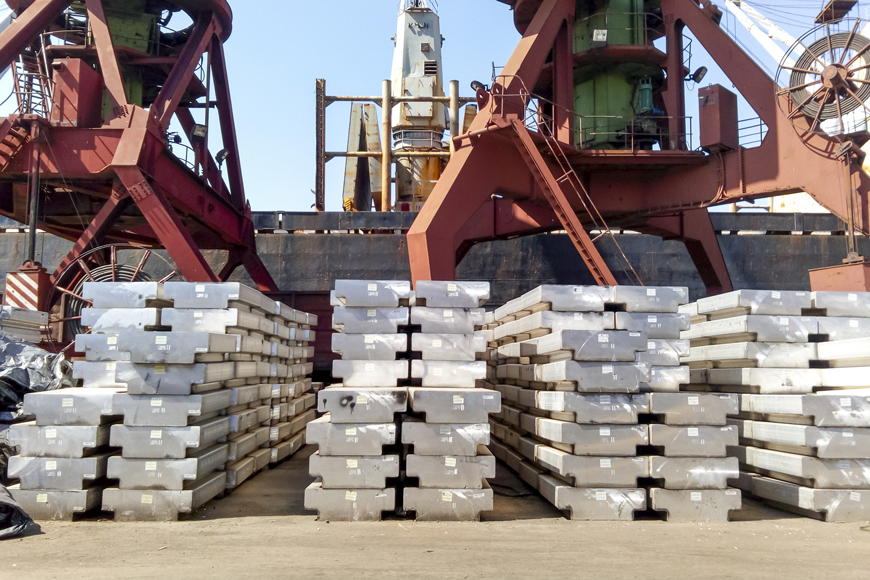
Aluminum from foundries offers a series of advantages that make it an important material throughout different industries. Its light-weight nature adds to cost financial savings in transportation and enhances total product efficiency. In addition, aluminum's exceptional resistance to rust guarantees long life and reduces maintenance demands. Nonetheless, the advantages prolong beyond these elements (Aluminum Foundry). Understanding the complete range of aluminum's homes and their effects can disclose also much deeper understandings right into its function in modern-day applicationsUnderstanding Foundry-Grade Aluminum
Foundry-grade aluminum is a customized material renowned for its outstanding buildings and versatility in numerous applications. This kind of aluminum is typically produced via controlled spreading processes, enabling specific control over its composition and microstructure. Therefore, foundry-grade aluminum displays superior mechanical homes, consisting of outstanding toughness and deterioration resistance, making it suitable for requiring settings.Along with its structural honesty, foundry-grade aluminum can be conveniently built right into complex shapes, providing developers and designers with flexibility in their jobs. Its ability to hold up against heats better boosts its appeal for industries such as auto and aerospace, where performance and dependability are important. Foundry-grade aluminum is commonly recyclable, contributing to sustainability efforts. By utilizing this material, manufacturers can attain a balance of efficiency, durability, and ecological responsibility, making foundry-grade aluminum a recommended choice for a large range of industrial applications.
Light-weight Residences and Their Advantages
The lightweight buildings of aluminum from foundries supply substantial benefits in numerous applications. Reduced transport prices can be accomplished as a result of the reduced weight, enabling extra effective logistics. Additionally, the enhanced item efficiency originated from using lighter products can lead to enhanced capability and customer experience.Lowered Transportation Expenses
Aluminum's light-weight homes significantly add to lowered transportation expenses, making it an attractive option for various sectors. When contrasted to heavier materials such as steel, aluminum allows for lighter tons, enabling cars to transport even more products efficiently. This decrease in weight can cause significant savings on gas usage, as lighter automobiles require less power to run. In addition, the capacity to transport larger amounts without exceeding weight restrictions boosts logistical performance. Industries such as vehicle and aerospace advantage particularly from these advantages, as they can maximize delivery procedures and reduce overall operational prices. As a result, making use of aluminum from foundries not just enhances transport yet likewise sustains sustainable methods by decreasing carbon emissions related to hefty products transport.Improved Product Performance
Rust Resistance: A Secret Benefit
Aluminum from foundries provides remarkable rust resistance, mostly as a result of its all-natural oxide layer. This safety layer kinds when aluminum is exposed to air, avoiding further oxidation and wear and tear. Consequently, products made from aluminum can exhibit lasting sturdiness, making them suitable for different applications in difficult atmospheres.Natural Oxide Layer
The natural oxide layer that bases on aluminum surface areas works as a crucial protection against corrosion. This thin, clear obstacle establishes when aluminum is subjected to oxygen, efficiently safeguarding the underlying metal from various environmental variables. The oxide layer is both sturdy and secure, making sure that aluminum keeps its integrity over time. Unlike various other steels that may corrode extra rapidly, aluminum's oxide layer protects against the development of rust and various other damaging compounds. This particular is especially advantageous in sectors where products are exposed to dampness or extreme chemicals. Consequently, the visibility of the natural oxide layer contributes substantially to the durability and integrity of aluminum products, making it a preferred option in numerous applications.Long-lasting Toughness
While many products surrender to the wear and tears and ecological direct exposure, the resilient durability of aluminum stands out, mostly due to its extraordinary corrosion resistance. This resistance is connected to an all-natural oxide layer that bases on its surface area, efficiently safeguarding the steel from dampness, chemicals, and various other harsh agents. Unlike steel, which can rust and weaken in time, aluminum remains intact, making it ideal for various applications, including building, auto, and aquatic sectors. Its light-weight nature, combined with sturdiness, permits for lowered upkeep expenses and longer life expectancies in items. Aluminum from foundries provides a lasting alternative that minimizes substitute frequency, contributing to both financial performance and ecological obligation. This resilience enhances its allure in countless applications.The Recyclability of Aluminum
Provided its substantial use across various sectors, the recyclability of aluminum provides a considerable environmental advantage. Aluminum can be reused indefinitely without shedding its homes, making it a prime candidate for lasting methods. The recycling process calls for just a fraction of the energy required to generate new aluminum from resources, reducing greenhouse gas discharges and conserving all-natural resources. In addition, the recycling of aluminum draws away waste from garbage dumps, adding to more reliable waste administration systems.
Cost-Effectiveness in Various Applications
Numerous industries recognize aluminum's cost-effectiveness, making it a preferred choice for various applications. Its light-weight nature lowers transport prices and power usage, considerably adding to general cost savings. In manufacturing, aluminum's malleability enables reliable shaping and developing, reducing waste during manufacturing.Furthermore, aluminum's resilience guarantees long life, which reduces the need for constant substitutes and maintenance. The material's corrosion resistance additionally converts right into reduced lasting expenses, as it calls for much less protective finishing and treatment compared to other steels.
Sustainability and Environmental Impact
Aluminum's cost-effectiveness is matched by its sustainability and positive environmental effect. The steel is very recyclable, with roughly 75% of all aluminum created still in use today. This recyclability substantially lowers the demand for raw product removal, decreasing power consumption and associated greenhouse gas exhausts. Shops play an important duty in the reusing procedure, making use of advanced innovations to repurpose scrap aluminum successfully.Aluminum manufacturing from recycled material takes in only around 5% of the energy required for key aluminum manufacturing. This significant energy savings translates to lower carbon impacts, lining up with global sustainability goals. In addition, aluminum's lightweight nature enhances gas effectiveness in transportation applications, better adding to decreased emissions throughout its lifecycle. As markets significantly prioritize lasting methods, aluminum from foundries emerges as a favorable selection, promoting ecological stewardship while supporting financial growth.
Regularly Asked Concerns
What Are the Common Applications of Foundry-Grade Aluminum?
Typical applications of foundry-grade aluminum include vehicle components, aerospace components, equipment, building products, and consumer items. Its lightweight nature, deterioration resistance, and outstanding mechanical buildings make it suitable for varied sectors and manufacturing procedures.Just How Is Foundry-Grade Aluminum Produced?
Foundry-grade aluminum is produced with melting aluminum scrap or ingots, adhered to by alloying with other metals. The liquified aluminum is after that cast into molds, permitting it to solidify into different forms for diverse applications.What Are the Security Factors To Consider When Dealing With Aluminum?
Security factors to consider when dealing with aluminum consist of correct ventilation to prevent inhaling dirt, usage of individual safety equipment to stop skin contact, and recognition of fire hazards related to liquified aluminum during processing and spreading.Exactly How Does Foundry-Grade Aluminum Contrast to Other Metals?
Foundry-grade aluminum supplies a premium strength-to-weight proportion compared to many steels, alongside excellent deterioration resistance and thermal conductivity. Its convenience and capability to be quickly shaped make it a preferred selection in different applications.What Maintenance Is Required for Aluminum Products?
Aluminum products require minimal upkeep, largely entailing routine cleaning to stop oxidation and dust buildup (Metal Castings). Protective coverings might improve sturdiness, while periodic have a peek at this website examinations can ensure structural stability and address any kind of wear or damage promptlyFoundry-grade aluminum is a specific material renowned for its phenomenal our website properties and convenience in various applications. Leveraging light-weight homes, aluminum enhances item efficiency throughout various applications. Unlike steel, which can corrosion and deteriorate over time, aluminum continues to be intact, making it optimal for different applications, including construction, auto, and aquatic industries. Aluminum manufacturing from recycled product consumes only around 5% of the energy needed for primary aluminum manufacturing. Foundry-grade aluminum is produced via melting aluminum scrap or ingots, followed by alloying with other steels.
Report this wiki page